
 Need to talk to a healthcare professional?
 Compare coverage areas side by side
 Service area map
 Your plan on your phone
 Same essence. New experience.
 Content hub
Management contract signed for the Hospital Inteligente (Smart Hospital) and connected ICU network
Informational reference · see the original publication (opens in a new tab)
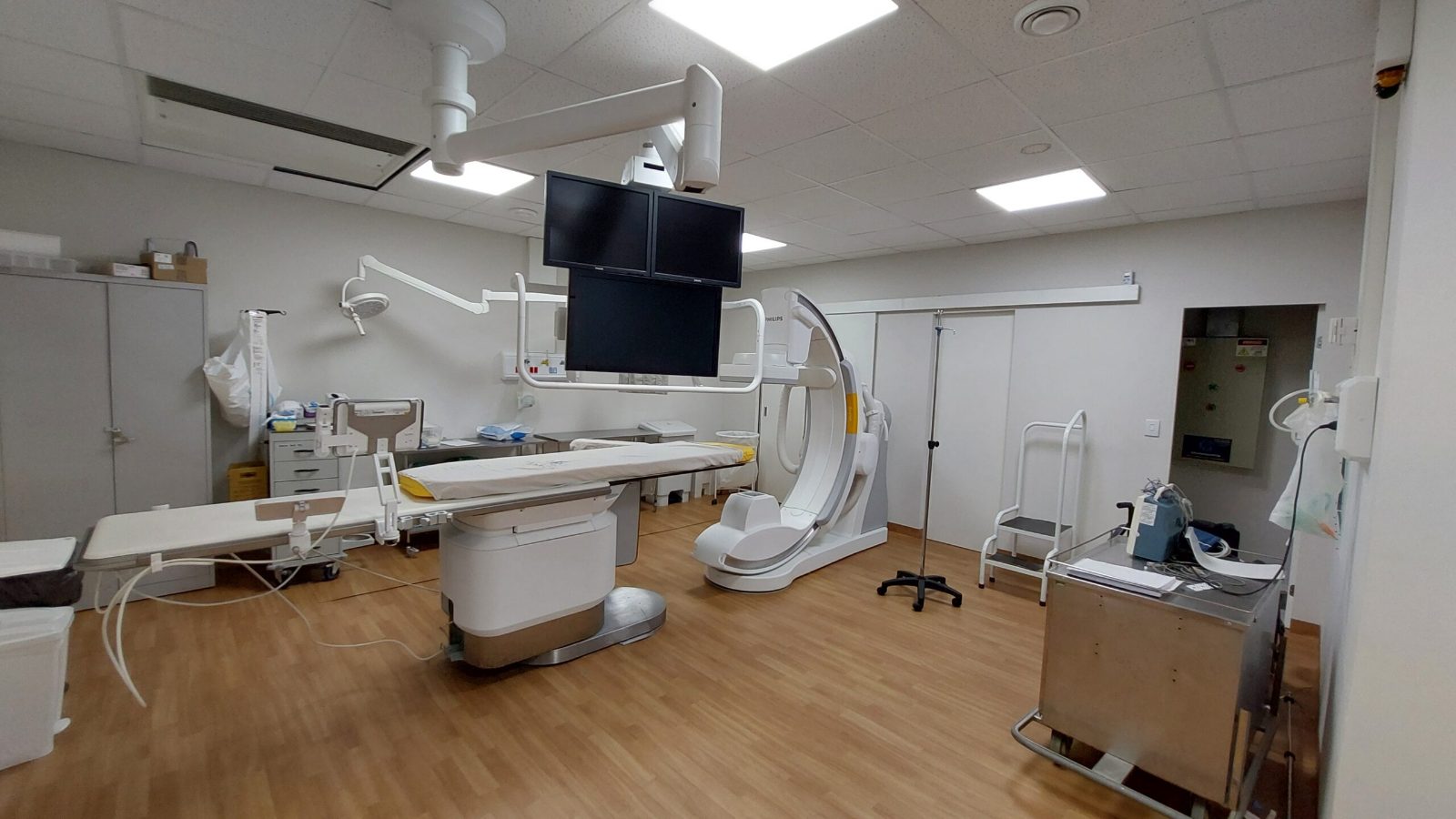
On October 20, the Brazilian Ministry of Health signed the management contract for the Hospital Inteligente (Smart Hospital) and the Connected ICU Network with the Instituto Tecnológico de Medicina Inteligente do Brasil (ITMI).
The contract
The management contract signed with the Brazilian Technological Institute of Intelligent Medicine (ITMI) supports the rollout of SUS's National Network of Intelligent Hospitals and Services and High-Precision Medicine. The initiative includes creating the Intelligent Hospital and managing and expanding a network of connected ICUs.
The strategy combines connectivity, data integration and artificial intelligence to identify risks early, organize beds and support clinical decisions. Decisions about patient care remain the responsibility of health professionals.
The Intelligent Hospital
Located in São Paulo, the Intelligent Hospital will have around 800 beds (250 emergency, 350 ICU and 200 ward beds) and will focus on emergency medicine, intensive care and neurology. The surgical center will have 25 operating rooms, with capacity for about 27,000 surgeries a year, and the facility will be able to handle up to 190,000 admissions annually.
Planned technologies include hybrid beds that can be converted from ward to ICU as needed; 5G-connected ambulances that transmit clinical information during transport; a command center that monitors beds in real time; and an integrated medical record from pre-hospital care to discharge.
Operations are scheduled to begin in the second quarter of 2029. One of the main goals is to reduce the average length of stay in the emergency department from 17 to 4 hours within four years of operation.
Connected ICUs
The connected ICU network already includes 60 beds in 6 hospitals across Brazil's five regions and is expected to reach 280 beds in 14 hospitals. In this model, intensive care specialists monitor patients remotely, in real time, 24 hours a day, and support local teams.
Continuous monitoring systems and artificial intelligence help identify signs of deterioration, such as sepsis and respiratory failure. Targets include 85% of eligible ICUs meeting their improvement goals and a reduction of at least 10% in care-related adverse events.
Funding and targets
Funding includes a US$320 million loan from the New Development Bank (NDB). The management contract sets 78 indicators, and payments are tied to meeting targets, with possible deductions for undelivered results.
Proadi-SUS
On the same occasion, the Ministry of Health signed the Proadi-SUS agreements for 2027-2029, with the participation of seven leading hospitals. The program supports projects to expand access to specialized care, reduce waiting lists, improve care quality and strengthen research and management in SUS.
Original source
“Ministério da Saúde assina contrato de gestão do Hospital Inteligente e da Rede de UTIs conectadas” (in Portuguese), published on Oct 20, 2026.
Read the official publication (opens in a new tab)Summary prepared by MedicGLOBAL from the official publication, for information purposes only. This is not a MedicGLOBAL notice. In case of any discrepancy, the source text prevails.
Questions about your plan? Contact our customer service.
Back to news